

The War After the War: Environmental Justice in Iran and Beyond
By Kerrie Roan
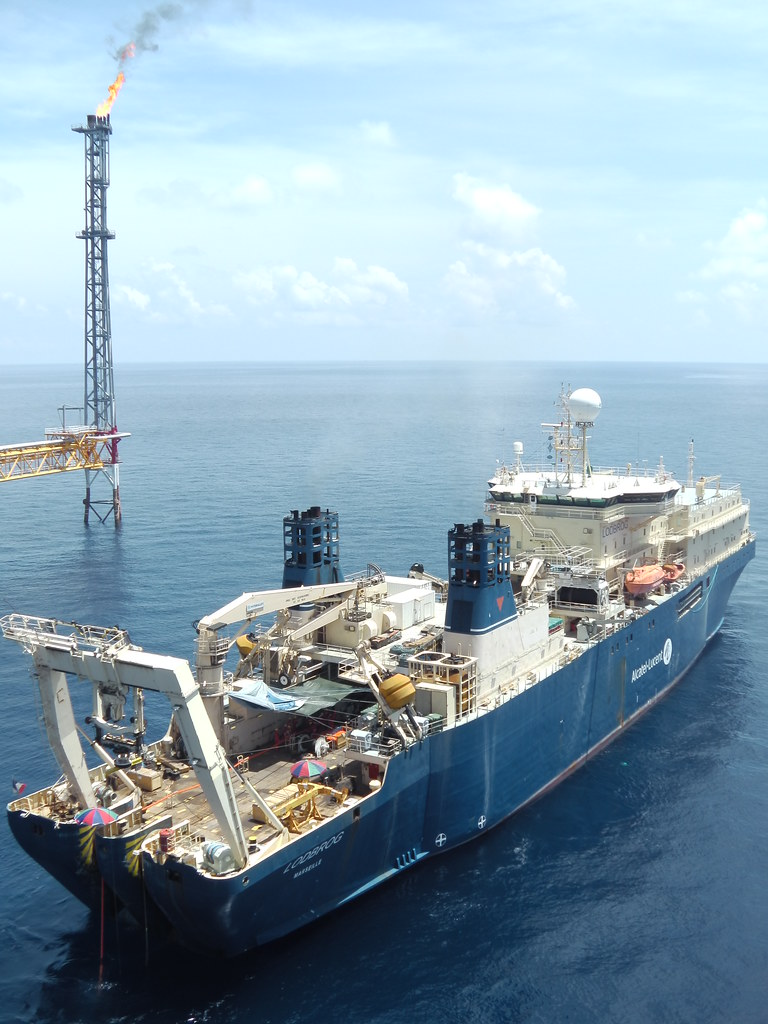
The U.S.-Israeli war in Iran is not merely a geopolitical conflict. It is an environmental justice crisis that is threatening the lives of millions across Iran, Lebanon, and neighboring states while exposing how global dependence on fossil fuel infrastructure disproportionately harms vulnerable populations worldwide. While political leaders frame the conflict in terms of deterrence, regional stability, and military strategy, civilians across the region are left to endure collapsing infrastructure, contaminated air and water, displacement, hunger, and the destruction of the sacred land they depend upon to survive. For the families living through the war, the conflict is not experienced through political rhetoric or staged military briefings, but through smoke-filled skies, inaccessible healthcare, unsafe drinking water, and the loss of entire communities.
These harms are unfolding in a region already strained by years of climate-driven drought and water scarcity. Despite diversifying its economy outside of oil production, Iran and the broader Euphrates-Tigris Basin have experienced severe drought conditions intensified by human induced climate change and socioeconomic water stressors, devastating agricultural production and forcing many rural and agrarian communities into increasingly precarious living conditions. Now, airstrikes targeting oil facilities, industrial infrastructure, weapons depots, and chemical plants have released pollutants into the air, soil, and waterways relied upon by civilian populations. Reports following strikes near Tehran describe “black rain[fall]” created from soot, sulfur compounds, oil particles, and heavy metals that are released into the atmosphere after attacks on oil depots and energy infrastructure. These environmental consequences do not fall evenly across populations. Women, children, the elderly, displaced persons, and those with preexisting medical conditions are among the most vulnerable to toxic exposure, dehydration, untreated illness, and the collapse of public health infrastructure during armed conflict.
Beyond the immediate violence, the war threatens to deepen long-term humanitarian and ecological instability across the Middle East. Damage to water systems, farmland, transportation infrastructure, and healthcare facilities will continue affecting civilian populations long after bombing campaigns end. In Lebanon and neighboring states already struggling with economic instability and political fragility, the regional consequences of environmental contamination, displacement, and resource scarcity risk compounding existing humanitarian crises. Environmental destruction in war zones rarely remains contained within national borders. Pollution travels through shared waterways and air currents, while displacement and economic collapse ripple throughout surrounding regions.
The consequences are also being felt far beyond the Middle East. Much of the international focus has centered on the Strait of Hormuz, a critical shipping route through which roughly one-third of the world’s oil supply passes. Disruptions to the Strait have increased fuel, fertilizer, and transportation costs worldwide, sending economic shockwaves through countries already burdened by food insecurity, inflation, debt, and climate vulnerability. Developing countries are expected to bear some of the heaviest consequences of the crisis as rising energy and fertilizer prices increase the risk of crop failure, hunger, political instability, and economic contraction. Farmers across Africa and Asia, along with low-income households worldwide, are being forced to absorb costs created by a conflict they played no role in creating. Meanwhile, major oil corporations and defense contractors continue to generate enormous profits from the instability.
In addition to defense contractors and energy corporations worldwide, major corporate law firms like Baker Botts are already capitalizing on the war through sanctions counseling, energy and oil contracting, insurance disputes, supply chain litigation, and regulatory compliance work tied directly to instability in the region. Firms representing oil conglomerates, multinational investors, and defense-connected industries are profiting from the very systems helping fuel environmental destruction and geopolitical violence. As the Strait of Hormuz destabilizes global energy markets, corporate attorneys are billing hours helping fossil fuel companies navigate volatility, protect profits, and secure commercial advantage amid humanitarian catastrophe. The legal profession is not standing outside this crisis as a neutral observer. Too often, it functions as one of the engines that allows these systems of extraction, militarization, and environmental devastation to continue operating with legitimacy and protection.
Environmental destruction does not end when ceasefires begin. Oil fires eventually burn out, but poisoned waterways, contaminated soil, damaged ecosystems, and displaced families remain long after the headlines fade. Nor are these harms confined to Iran alone. Recent reporting by The New York Times documented the Israeli military's deployment of white phosphorus munitions over populated areas in southern Lebanon, including near Nabatieh, Tyre, Qlayaa, Khiam, and Yohmor. White phosphorus burns through skin and tissue upon contact, causes severe respiratory injuries when inhaled, and can leave survivors with lifelong disfigurement and chronic health complications. The weapon also ignites homes, farmland, and forests, leaving behind environmental contamination and public health consequences that can endure for years. Because of these indiscriminate effects, international humanitarian law prohibits the use of incendiary weapons against civilians and places strict limits on their use in civilian-populated areas. Yet for many communities in southern Lebanon, these legal protections have offered little protection from the realities on the ground.
Whether through burning oil depots in Iran, the ongoing genocide in Gaza, incendiary weapons falling over civilian communities in Lebanon, or the worsening energy crisis in Cuba, the environmental consequences of political violence and resource insecurity continue to reverberate through the lives of ordinary people long after world leaders have moved on to the next crisis. For law students entering the legal profession, these crises should force a reckoning with the institutions that profit from and enable environmental destruction. Future attorneys have a choice about which firms they support, which clients they defend, and whether the legal industry will continue to shield fossil fuel expansion, militarization, and environmental harm from accountability. At a moment when entire communities are being forced to live with the toxic legacy of war, neutrality is itself a choice. The next generation of lawyers must decide whether they will help preserve the systems producing these harms or work to dismantle them.
